






The development of tourism areas in West Nusa Tenggara (NTB), particularly in the Mandalika Special Economic Zone, is progressing far more rapidly than the readiness of its human resources.
International events, major investments, and strategic projects continue to emerge. However, one fundamental question is rarely asked: have we prepared architects who are truly ready to respond to the complexity of this development?
So far, architectural education has often operated within a relatively comfortable academic environment, with limited direct engagement with the dynamics of professional practice.
Many graduates excel in conceptual thinking, yet struggle when faced with real-world project conditions—ranging from technical drawing standards and interdisciplinary coordination to the pressures of time and cost in the field.
This is where the importance of courage in seriously evaluating the curriculum becomes evident. It is not merely about adjusting courses, but about reconstructing the very way of thinking in architectural education.
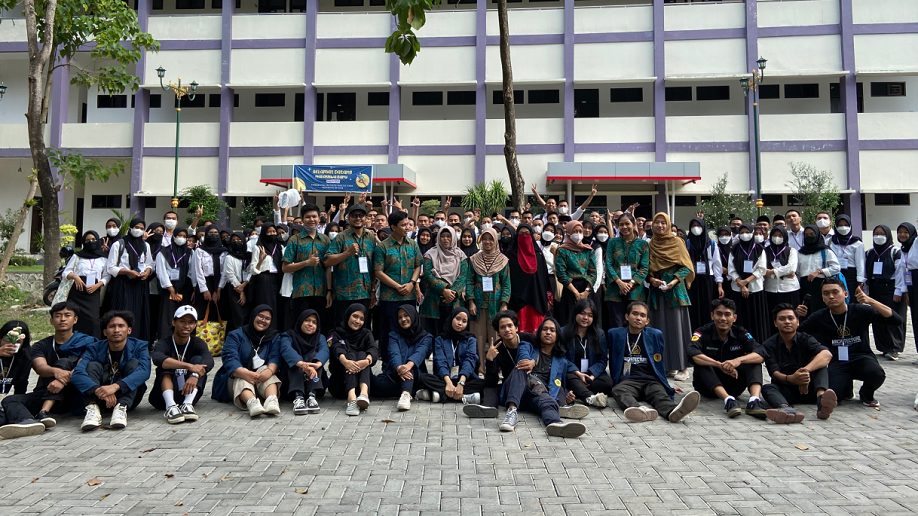
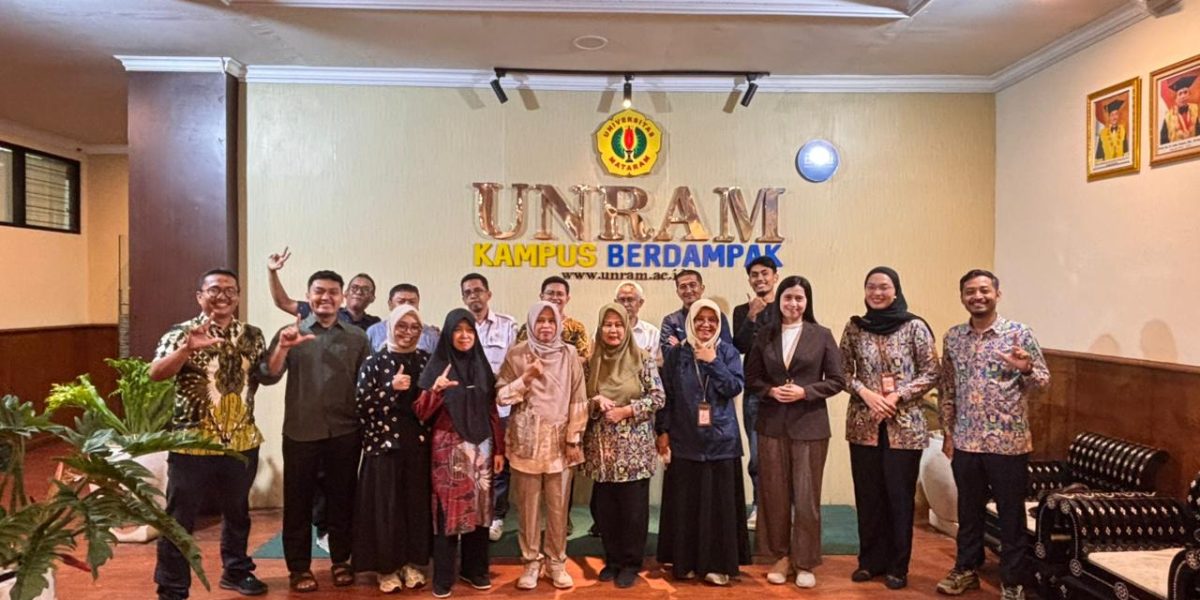
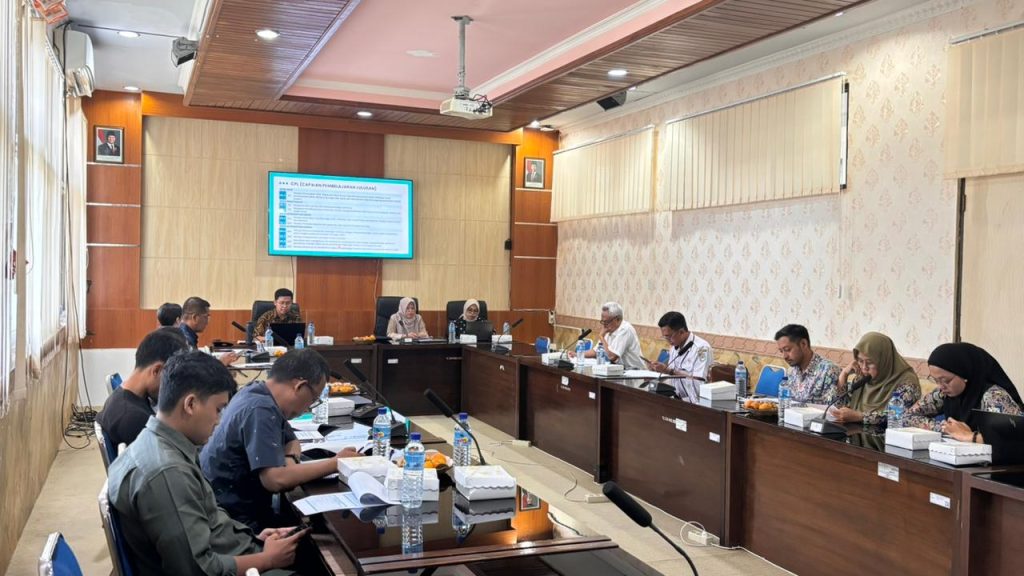
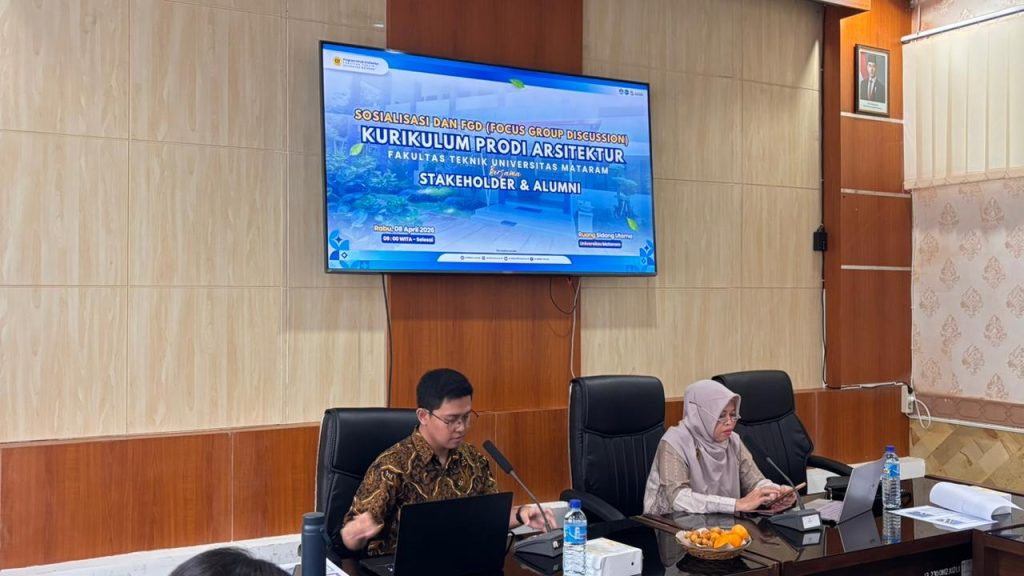
Such steps are beginning to take shape in the Architecture Study Program at Universitas Mataram. Under the leadership of Dr. Rini S. Saptaningtyas, efforts to reconstruct the curriculum are being carried out by opening dialogue with various stakeholders.
Through discussion forums involving the government, practitioners, and developers such as Indonesia Tourism Development Corporation Mandalika, the direction of education is increasingly aligned with real-world needs.
This approach is crucial, as architecture today no longer stands alone. It lies at the intersection of economics, environment, culture, and technology. Therefore, the curriculum cannot consist solely of theory and design studios; it must reflect this complexity.
Recommendations from the Asosiasi Pendidikan Tinggi Arsitektur Indonesia (APTARI), which emphasize a significant portion for studio-based courses, are not merely about credit allocation.
More importantly, studios must become realistic simulations of professional practice—spaces where students learn to think critically, collaborate in teams, and understand the comprehensive consequences of design.
However, there is another equally important challenge. Amid the rapid flow of globalization and technological advancement, architectural education risks losing its local grounding.
In fact, the NTB context—with its rich cultural heritage and diverse landscapes—offers great potential for the development of distinctive and sustainable architecture.
A balance between local wisdom and technological mastery is essential. Without an understanding of local context, architecture loses its identity. Conversely, without technological competence, graduates will fall behind in professional competition.
This momentum for curriculum reconstruction should not remain merely an internal campus agenda. It must be seen as part of a broader regional strategy to prepare human resources capable of managing sustainable development.
If Mandalika is to truly become a world-class destination, what must be built is not only physical infrastructure, but also human capacity. In this regard, architects play a vital role—not only as building designers, but as key actors in shaping the quality of living spaces for society.
The question now is: will we continue to allow the gap between education and practice to persist, or will we have the courage to change it?
Without serious reform in education, we will merely become spectators in our own home.
Source: Lombok Post

 English
  Bahasa Indonesia